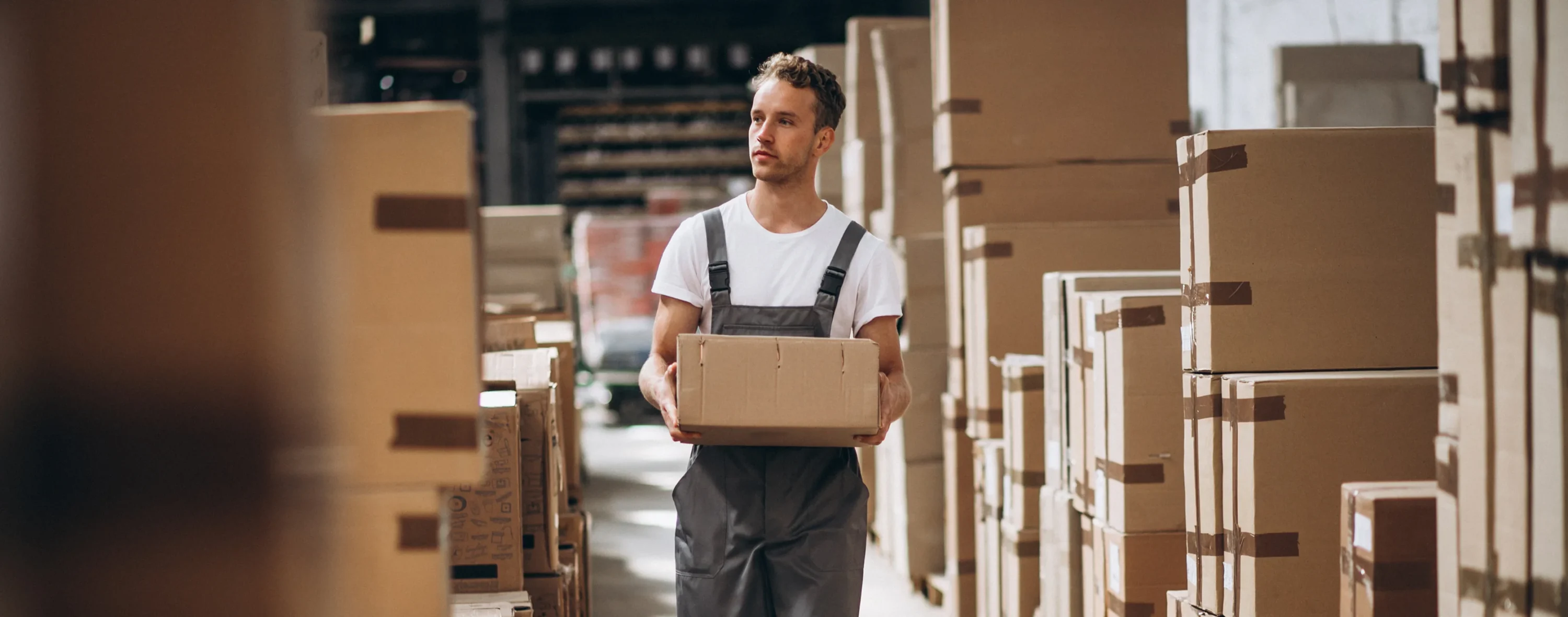
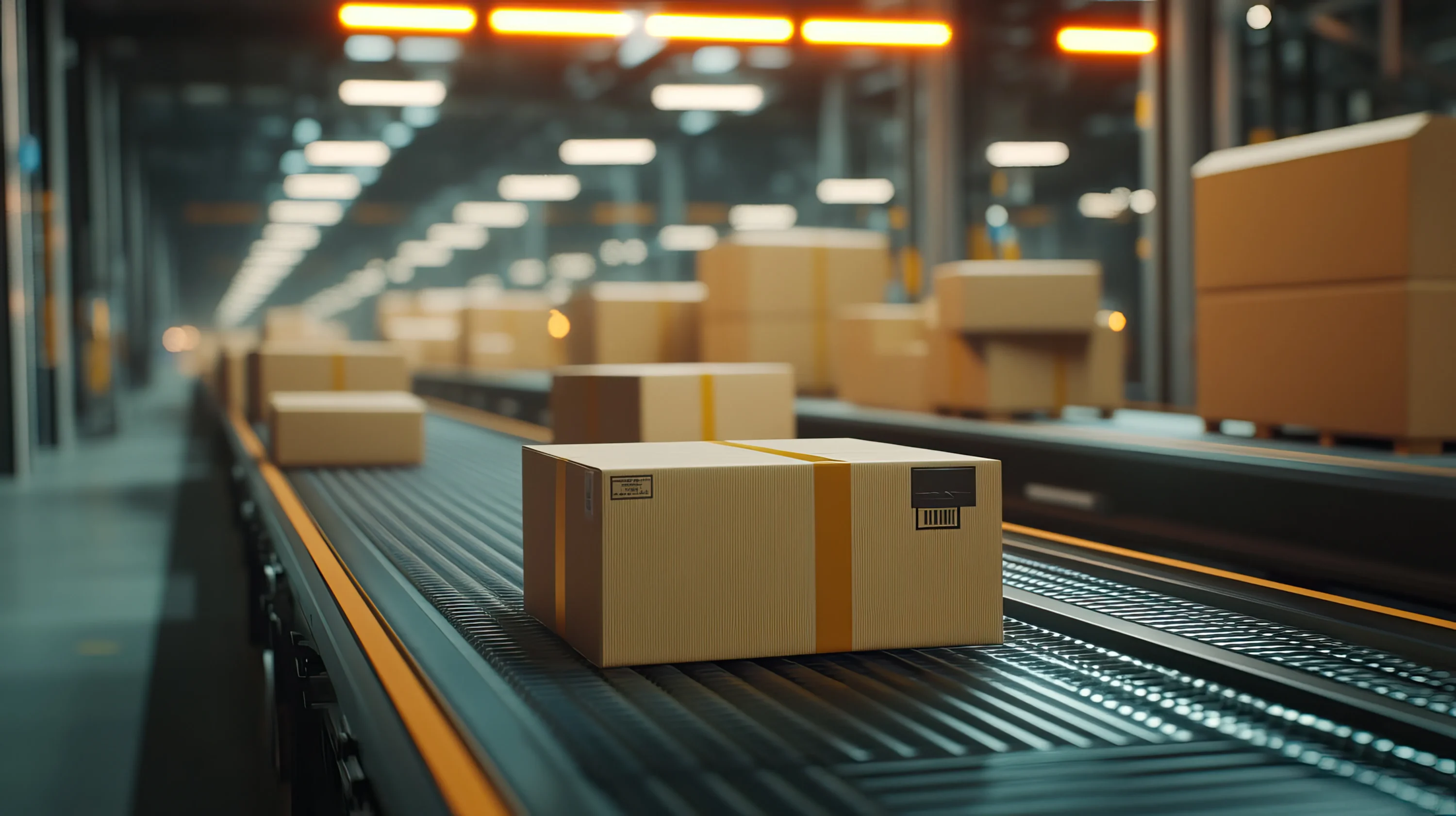
The connection between Onlihub and Amazon is built around Amazon FBA inventory and Amazon Multi-Channel Fulfillment. FBA sellers already store their products inside Amazon’s fulfillment network. Onlihub helps those sellers give their inventory a second path to market by connecting it with online stores outside Amazon. When a customer buys one of those products through a Shopify store or another sales channel, Amazon Multi-Channel Fulfillment can pick, pack, ship, and provide tracking for the order.
This creates a smarter inventory flow for both sides. Amazon FBA sellers get a way to recover more value from products that may not be moving fast enough on Amazon alone. Online retailers get access to branded products that are already stored in U.S. Amazon fulfillment centers, without buying inventory upfront or managing warehouse operations. Onlihub brings the two sides together, while Amazon’s fulfillment infrastructure handles the logistics behind the order.
For FBA sellers, this model can be especially valuable when inventory starts to slow down. Products sitting inside Amazon warehouses can create ongoing costs, including FBA storage fees, aged inventory surcharges, long-term inventory carrying costs, and tied-up working capital. A product may still have real market value, but if it is not selling fast enough through Amazon, it can become harder to justify keeping it in storage. Onlihub gives sellers another option before jumping straight to removal orders, liquidation, or heavy public discounting.
Through Onlihub, Amazon sellers can use existing FBA inventory to reach new buyers across Shopify and other sales channels. This helps create a more flexible inventory recovery strategy. Instead of relying only on Amazon search visibility, Amazon ads, coupons, or markdowns, sellers can let independent online stores list and sell their products to different audiences. The inventory stays in Amazon’s fulfillment network, but the demand can come from outside Amazon.
For online stores, Onlihub makes Amazon-powered product sourcing more accessible. Retailers can browse products from Amazon FBA sellers and add items to their own catalogs without purchasing inventory in advance. This is especially useful for Shopify stores that want to expand their product selection, test new categories, or replace slow overseas dropshipping with faster U.S.-based fulfillment. Products are already located in domestic fulfillment centers, so sellers can offer a more reliable delivery experience than traditional long-distance sourcing models.
Amazon Multi-Channel Fulfillment is the fulfillment backbone that makes this possible. The product does not need to be removed from FBA, sent to another warehouse, or manually shipped by the brand. Once an order is placed through a connected online store, Amazon MCF can fulfill the order from the inventory already stored in Amazon’s network. This helps reduce operational complexity for both the FBA seller and the retailer using the product in their catalog.
Onlihub works as the bridge between product supply and online retail demand. On one side are Amazon FBA brands with inventory already stored and ready to ship. On the other side are Shopify stores and other online sellers looking for products they can list without holding stock. By connecting these groups, Onlihub helps turn idle FBA inventory into usable product supply for ecommerce stores.
This approach is different from traditional liquidation. Liquidation often means accepting very low recovery value just to clear inventory. It is also different from classic wholesale, where retailers buy units upfront and take on inventory risk. Onlihub creates a more flexible middle path: FBA sellers can keep products inside Amazon’s fulfillment system, while online stores can sell those products without upfront inventory purchases. The result is a more efficient way to move products across channels.
It is also different from traditional dropshipping. Many dropshipping models depend on overseas suppliers, long delivery windows, uncertain product quality, and limited control over the customer experience. Onlihub’s model is built around products already stored in U.S. Amazon fulfillment centers, supported by Amazon Multi-Channel Fulfillment. For retailers, that means access to fast-shipping products without the traditional inventory burden. For FBA sellers, it means more chances to recover value from inventory that is already in place.
Onlihub and Amazon work together in a practical way: Amazon provides the fulfillment infrastructure, while Onlihub helps connect that inventory to new sales opportunities. Amazon FBA stores the products. Amazon MCF ships orders from outside Amazon. Onlihub connects FBA sellers with online stores that can list, promote, and sell those products through Shopify and other sales channels.
For Amazon sellers, this can support better inventory management, stronger capital recovery, and a more flexible approach to excess stock. For online retailers, it can support catalog growth, faster fulfillment, and product sourcing without inventory ownership. For ecommerce as a whole, the model helps existing inventory move more efficiently instead of sitting unused in warehouses.
As ecommerce becomes more competitive, sellers need smarter ways to use the inventory and fulfillment networks that already exist. Onlihub helps Amazon FBA sellers extend the value of their inventory beyond Amazon alone, while giving online stores access to products that are ready to sell and ready to ship. It connects Amazon FBA inventory, Amazon Multi-Channel Fulfillment, Shopify stores, and other sales channels into one practical system for modern ecommerce growth.
Whether a brand wants to recover capital from slow-moving FBA stock or an online store wants to add products without buying inventory, Onlihub creates a connection point between Amazon-powered fulfillment and multi-channel ecommerce. It helps sellers use Amazon’s logistics network not only for Amazon orders, but also as a foundation for broader online selling.